Editor's Pick

Latest Articles

  • Articles1 week ago

    Marta Ortega y el interés creciente de los españoles por las nuevas oportunidades de inversión: lo que debes saber

    En los últimos meses, el nombre de Marta Ortega, presidenta de Inditex, ha vuelto a ocupar titulares no solo por su liderazgo empresarial, sino también por sus comentarios acerca de

  • Articles2 months ago

    RBC’s Silence Sparks Nationwide Debate: What the Bank’s Statement Really Means for Canadians

    In recent days, RBC has unexpectedly found itself at the center of a nationwide conversation. A period of silence from one of Canada’s most influential financial institutions triggered widespread speculation,

  • Articles2 months ago

    Isabel Díaz Ayuso: La presidenta madrileña enfrenta su mayor momento de presión política

    En las últimas semanas, Isabel Díaz Ayuso ha vuelto a situarse en el centro del debate público. Diversas controversias, críticas de la oposición y tensiones dentro de su propio partido

  • Articles3 months ago

    Nagore Robles: Una Voz Auténtica que Sigue Sorprendiendo a España

    Nagore Robles se ha consolidado como una de las personalidades televisivas más carismáticas y transparentes de España. Conocida por su autenticidad, su forma directa de comunicar y su capacidad para

  • Articles6 months ago

    A Forest in Your Pocket: How Tech Simulates Miniature Ecosystems

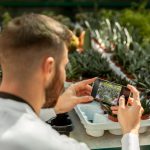
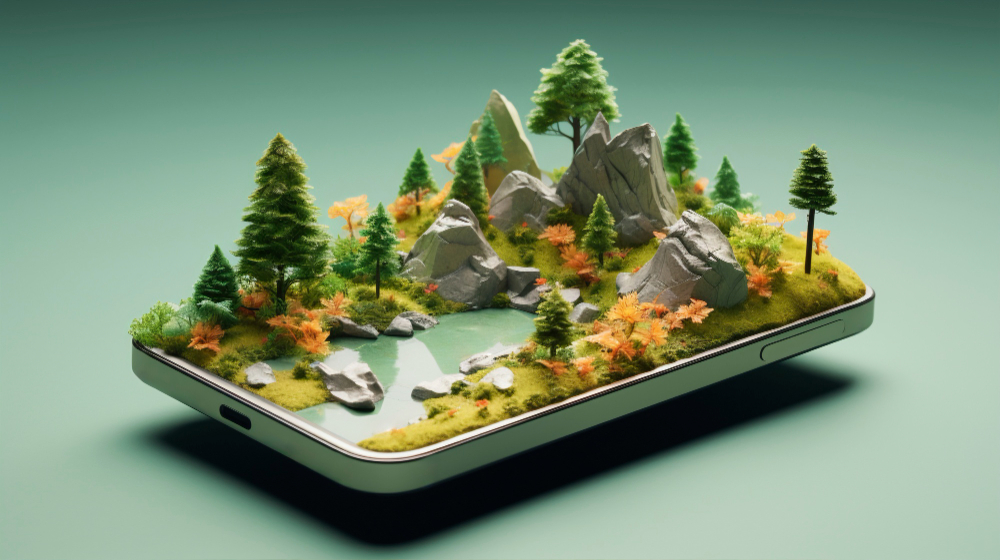
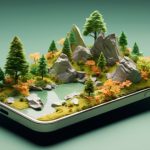
    Imagine carrying a tiny forest right in your pocket—no rain needed, no messy soil, just a tap on your screen and boom, a thriving ecosystem blooms before your eyes. Sounds like sci-fi? Well, not anymore. Thanks to advances in technology and digital simulation, we now have apps and devices that recreate miniature versions of real-world ecosystems, giving us a window into nature’s complexity without ever leaving our couch. These virtual forests are carefully modeled using sophisticated algorithms, combining data about plant growth, climate conditions, and animal behaviors. They use principles from ecology and biology but translate those into digital frameworks, making it possible to see how different factors interact in real time. It’s like having a mini research lab at your fingertips—only instead of lab coats, you’re wielding your smartphone. One of the coolest things about these simulated ecosystems is their educational potential. They serve as interactive tools that help users understand how ecosystems function, how plants and animals coexist, and what happens when those delicate balances are disrupted. For example, some apps allow you to ‘plant’ different tree species, observe how they grow differently depending on water or sunlight levels, and see the ripple effects as animals move in or out. It's pretty gamified, but with a purpose: to teach us about biodiversity, conservation, and the importance of environmental health. Beyond education, these digital ecosystems can also be used for research and environmental planning. Scientists run simulations to predict how real forests might respond to climate change or human activity. Urban planners use similar tech to visualize green spaces in cities, ensuring that new developments don’t come at the expense of natural habitats. By tinkering with variables—like temperature, rainfall, or pollution levels—users can explore potential futures and make more informed decisions. Some smart devices even take this a step further—combining real-world sensors with digital simulations. These devices monitor physical environments in the real world (think moss walls or tiny terrariums), then feed that data back into a simulated ecosystem, creating a hybrid experience. This means you’re not just passively viewing a virtual forest, but actively engaging with a dynamic model that responds to actual environmental changes. Of course, these digital forests aren’t perfect replicas—they’re simplified models designed to capture the most significant interactions. Still, they’re incredibly useful tools that bridge the gap between technology and nature. Plus, they make exploring ecology a lot more accessible and fun. So, next time you check your phone, remember: you might just be holding a miniature, digital rainforest—your very own forest in your pocket.
  • Articles6 months ago

    Bark as Interface: Organic Materials in Wearable Technology

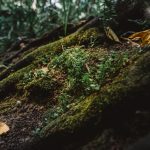
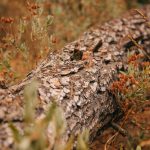
    Sure! Here's an excerpt for the article on "Bark as Interface: Organic Materials in Wearable Technology," crafted to be informative and informal within your specified character range: --- Imagine slipping on a smartwatch that feels like a second skin, but instead of cold plastic or metal, it’s made from something entirely unexpected—bark. Yeah, you read that right. In a world where wearable tech is usually sleek, shiny, and pretty much all synthetic, scientists and designers are starting to look to nature for inspiration and materials. One of the coolest developments in this space is using organic materials like bark as interfaces in wearable tech. So why bark? Well, bark is actually a pretty amazing material. It’s strong, flexible, and full of natural sensors that can detect things like pressure, temperature, or even moisture. Think about how a tree’s bark reacts to its surroundings—it’s constantly sensing and responding to changes. That same natural sensing ability makes bark an intriguing candidate for wearable devices. Instead of relying solely on artificial sensors, why not harness what nature already perfected over millions of years? Researchers are exploring ways to incorporate bark into sensors that can be worn comfortably. For example, pieces of bark can be treated or layered to enhance their durability and sensitivity. These bark-based sensors could potentially track your heartbeat, monitor your hydration levels, or even act as a control interface for smart devices just by touch or pressure. Because bark is an organic, biodegradable material, it offers a sustainable alternative to plastic-heavy gadgets, aligning with eco-conscious trends. But it’s not just about sustainability. The tactile feeling of bark is quite unique—rough, textured, and organic—giving users a different kind of interaction compared to smooth screens. Imagine a fitness tracker that doubles as a piece of natural art, or a health monitor that feels more like a connection to nature than a piece of tech. This natural interface creates a more intuitive and immersive experience, blurring the lines between human and environment. One challenge, of course, is durability. Bark isn’t inherently waterproof or long-lasting, so scientists are working on treatments and composites that keep these materials functional and resilient in everyday conditions. Plus, with advanced techniques like bioengineering, researchers are even looking at ways to grow or modify bark to optimize its sensing capabilities and lifespan. This trend toward organic interfaces isn’t just limited to bark. Things like leaves, wood, and other plant materials are also being tested as sustainable options for future wearable tech. The goal is to develop devices that are not just functional and fashionable but also deeply integrated with the natural world—making technology feel less like a gadget and more like an extension of ourselves and our environment. In short, by bringing bark into the realm of wearable technology, we’re opening the door to a future where tech and nature coexist in harmony. It's a wild idea, but one that holds a lot of promise for more sustainable, sensory-rich, and human-centered design. Who knew that the next big thing in wearables could come from a piece of tree? --- Let me know if you'd like me to expand further or adjust the style!

Sidebar Search Trending
Popular Now
Loading

Signing-in 3 seconds...

Signing-up 3 seconds...